Learn more about some of the many ways the IoEE is fostering connections and making a difference in Connecticut communities.
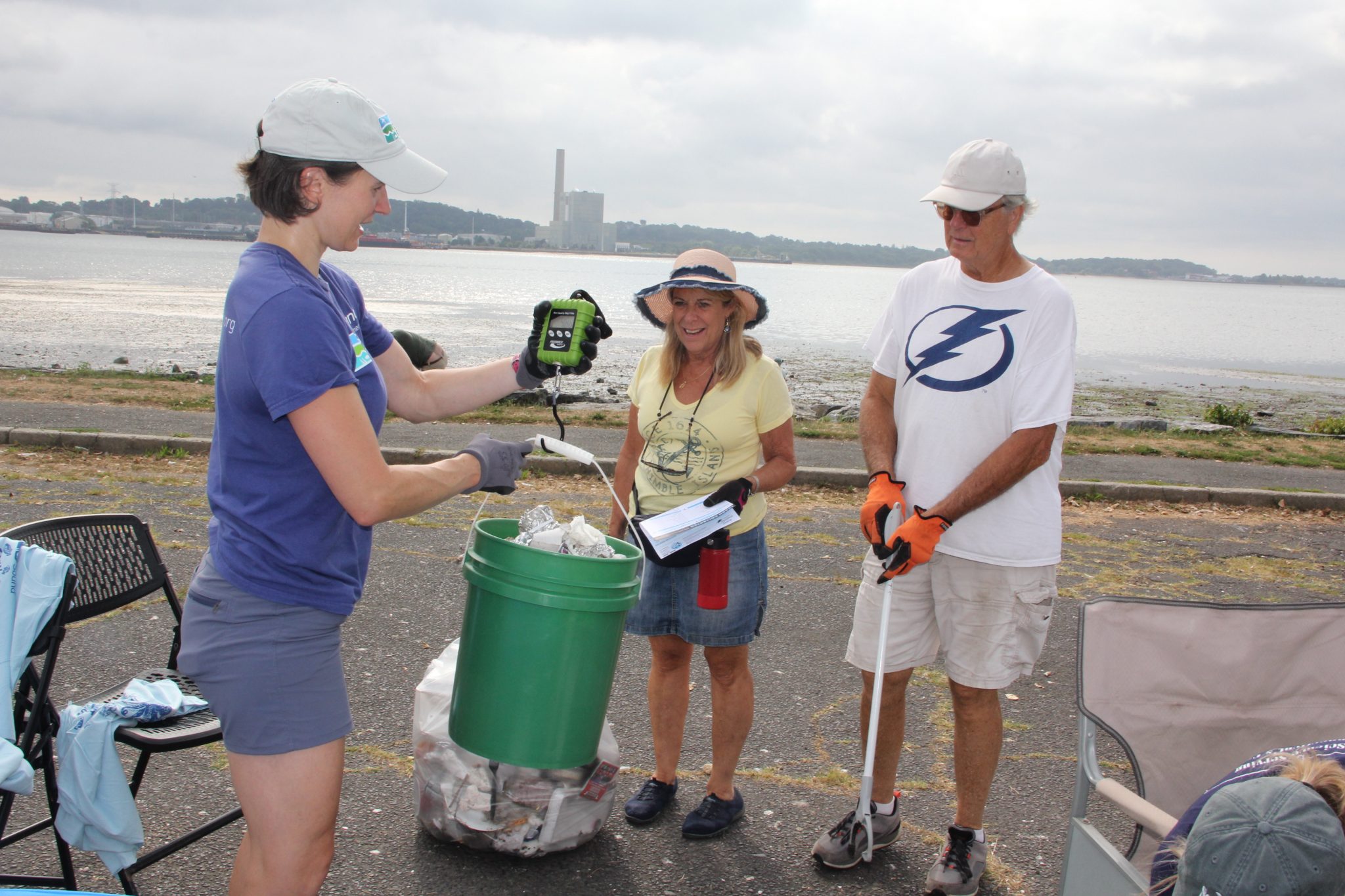
Sea Grant Disaster Preparedness Pilot for Senior Residents
CT Sea Grant, UConn Extension, Anthropology, and Communications faculty are working on a two-year project to better prepare older residents for emergencies (pilot communities are Stamford, West Haven, and New London). The project includes roundtable discussions, listening sessions, and survey feedback to generate materials and programming to provide preparedness instructions, supplies, and other training to support senior residents and caregivers in the event of extreme weather.
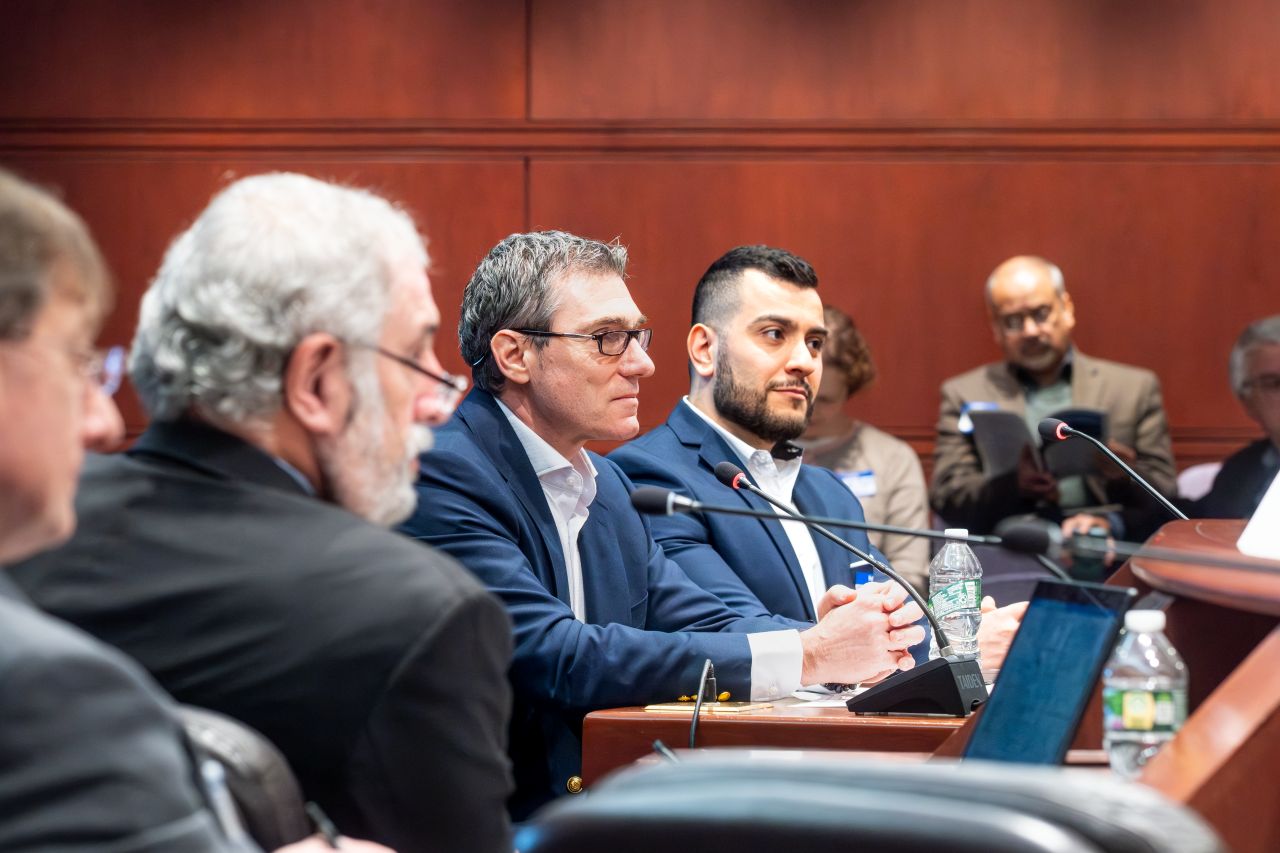
Electric Vehicle Investment and Regulation Will Help Connecticut Meet Its Climate Resiliency Goals
This Moving Beyond presentation examined how electric vehicle investment can support Connecticut’s climate, transportation, and grid-resilience goals. The research emphasized that fleet electrification, especially school buses, transit buses, university vehicles, and utility line trucks, can move beyond emissions reduction to serve as a grid-modernization strategy. Managed charging and vehicle-to-grid-ready depots can shift electricity demand to off-peak periods, support local circuits during heat waves or outages, and strengthen resilience in overburdened and rural communities. The presentation also highlighted policy levers such as time-of-use rates, streamlined interconnection, EV-ready upgrades, demand-charge reform, and equity-based depot siting.
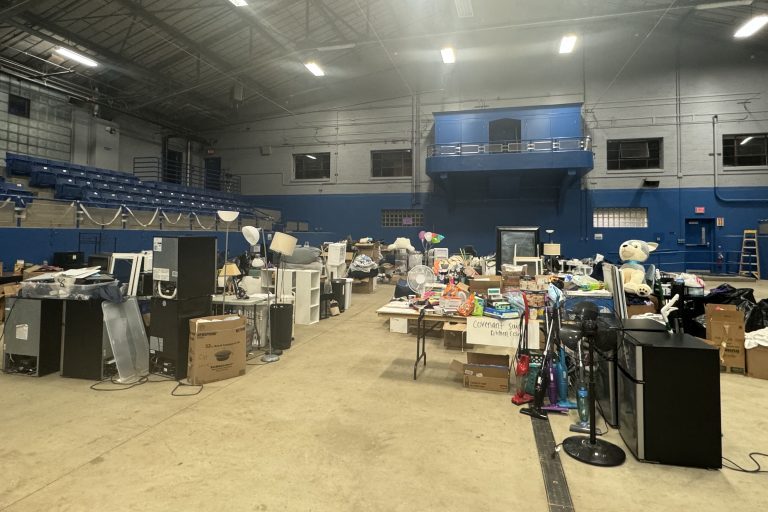
Give and Go Move Out Collection
In partnership with UConn Community Outreach, the Office of Sustainability supports annual efforts to collect and distribute unwanted dorm furnishings, clothes, food, and more to local non-profit community organizations and incoming students in need.
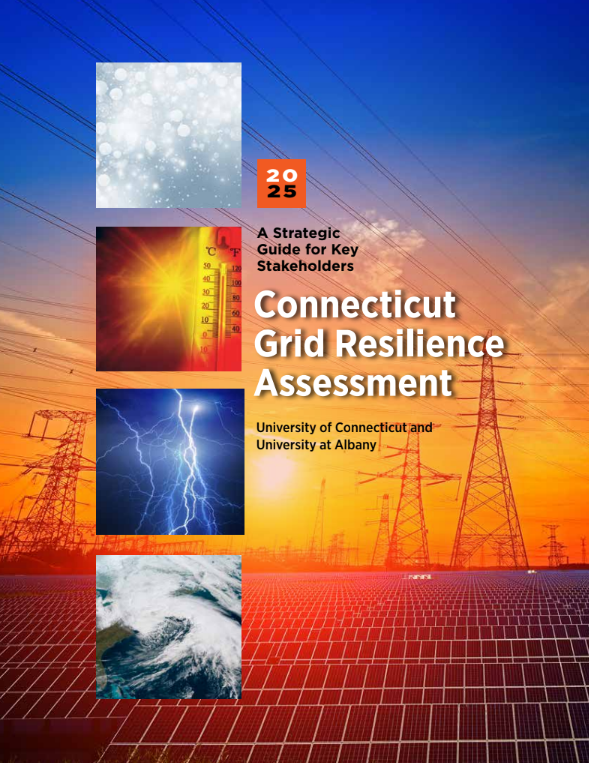
Connecticut Grid Resilience Assessment: A Strategic Guide for Key Stakeholders
This project presents the Connecticut Grid Resilience Assessment, a strategic guide developed through the GRACI initiative to help stakeholders identify where climate-driven hazards may produce long and costly power outages. The initiative integrated downscaled climate projections, historical outage records, customer surveys, social vulnerability mapping, distributed energy resource analysis, and infrastructure restoration modeling. It emphasized that Connecticut faces increasing risks from severe storms, heat waves, electrification, and emerging high-demand facilities, requiring scalable infrastructure planning and stronger safeguards. The work also identified investment priorities, including outage forecasting, high-risk circuit targeting, adaptive microgrids, crew pre-positioning, equity metrics, and transparent public reporting.
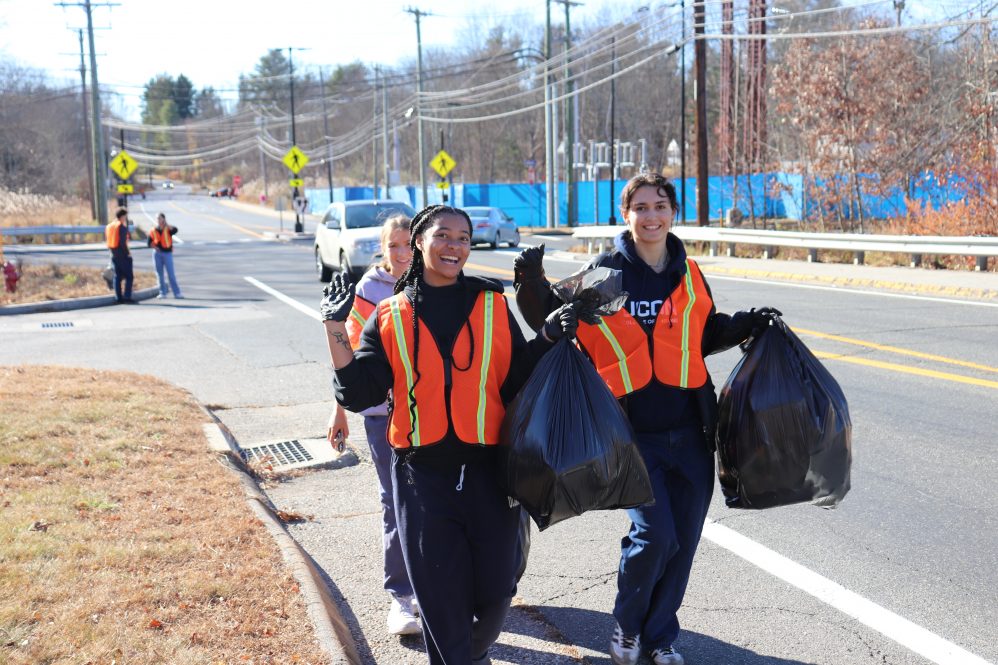
Don't Mess with Mansfield Litter Cleanup
In partnership with the Town of Mansfield, Student Activities, and Facilities Operations, the Office of Sustainability leads volunteer recruitment and coordination of two community-wide litter cleanup days targeting on and off campus locations annually.
In the News

- category: institute-enviro-energy+community-impact
- columns: 3
- pictures: on
- number-of-posts: 3
- show-date: on
- safe-fetch: 1
- attempted-request: https://today.uconn.edu/wp-rest/wp/v2/posts?category-name=institute-enviro-energy%2Bcommunity-impact&posts_per_page=3&adjacent-posts=true&_embed